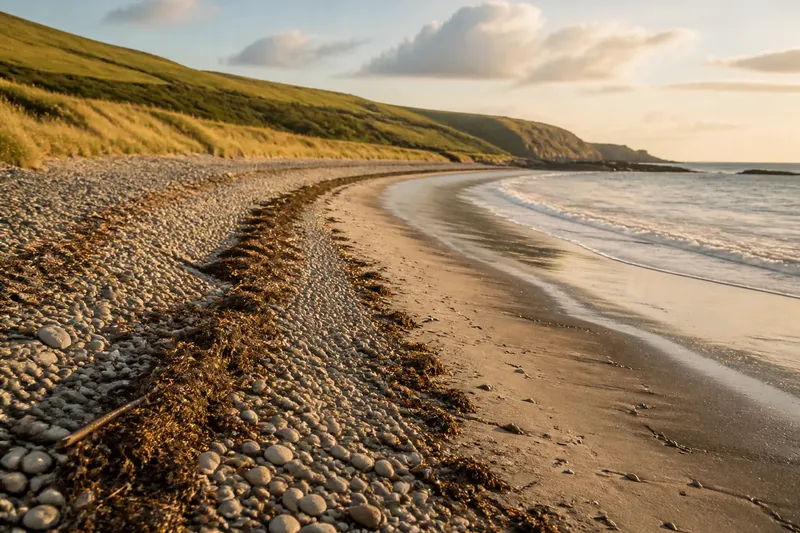
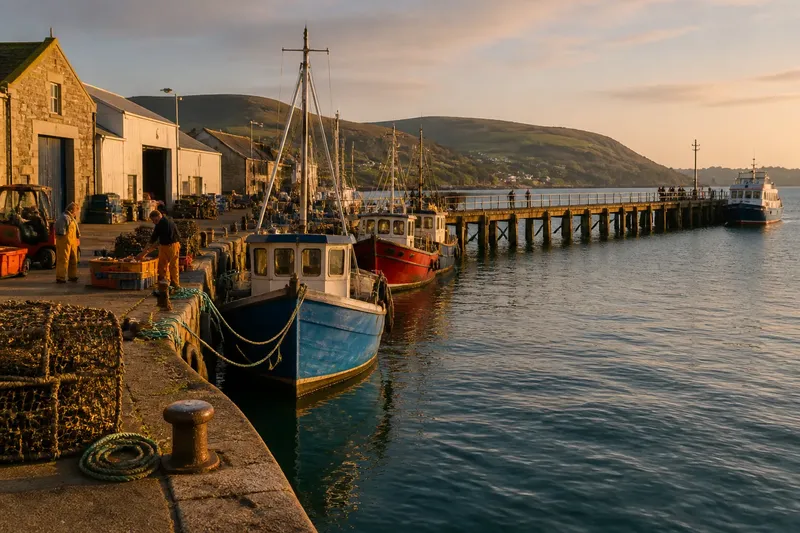
A Tide-Timed Shore Visit Without a Tight Itinerary
A tide-timed shore visit can leave room for changing water, weather and access, while helping you choose a sensible starting point and a useful fallback.
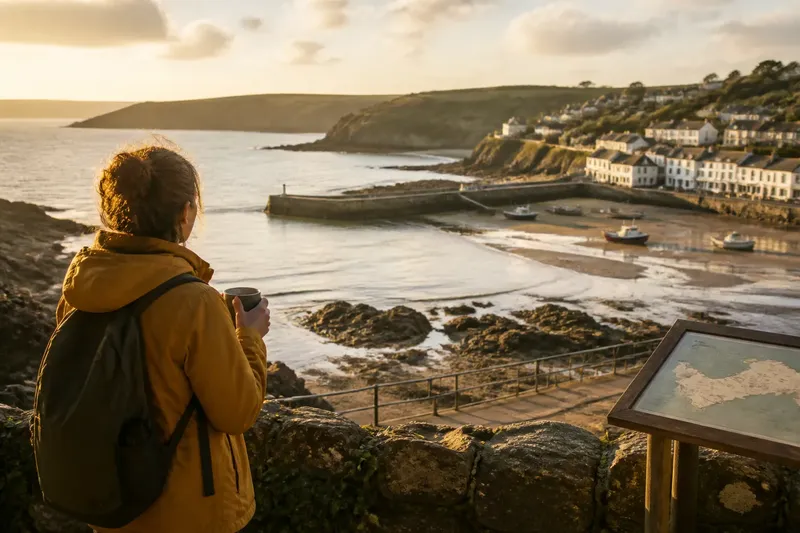
A tide-timed shore visit works best when you plan around a window, not a minute-by-minute route. The water may be higher or lower than expected, a path may be wet, or the view that drew you there may change before you arrive. A flexible plan lets those changes shape the visit without turning every turn into a decision.
The useful question is not simply when the tide is low. It is what kind of visit you want, and how much your chosen shore depends on a particular water level. A broad, open beach offers different options from a narrow rocky edge or a harbour promenade. Start with that distinction, then leave the day enough slack to notice what is happening in front of you.
What kind of shore visit suits you?
Choose the plan that matches your main reason for going. The same place can serve several purposes, but each asks for a different degree of timing.
- If you want to watch the shore change: Choose a place where the waterline is visible from a firm, accessible viewpoint. You can observe the incoming or receding tide without needing to cross exposed ground.
- If you want a long walk: Use a coastal path or promenade whose route does not depend on the beach being open. Treat the shore below as part of the view rather than the only way forward.
- If you want to explore the foreshore: Pick a location where the part you hope to see is reachable at a suitable water level, and keep another nearby stopping point in mind. This plan calls for more attention to current conditions.
- If you want a quiet, unhurried outing: Visit a familiar or easily understood stretch with places to pause. A bench, sheltered café or town street can make a changing view enjoyable even if the water is not doing anything dramatic.
- If you are travelling with children, limited mobility or a group with mixed pace: Favour a clear route with a simple turnaround point and nearby facilities. Avoid making the whole outing depend on reaching a particular patch of shore.
These are not rankings. They are different ways of spending time beside water. A visitor who wants to watch a channel fill may be perfectly content from a quay; someone seeking rock pools may need a more carefully chosen place and a willingness to change the plan.
How should the tide shape the day?
Think of the tide as a moving boundary, not a clock that dictates a schedule. A tide table can help you understand the broad pattern for a place, but the useful detail is how that pattern relates to the feature you want to see: a sandbar, a harbour entrance, a broad strip of exposed shore or the water reaching a sea wall.
First identify the point of interest. Then ask whether it is visible from a fixed viewpoint, or only accessible across ground that the tide covers. If you can see it from a path or raised edge, the visit can be loose. If reaching it requires crossing the foreshore, you need a more cautious plan and should not assume that a time listed for a nearby harbour describes local conditions exactly.
Allow room on both sides of the moment you hope to catch. Arriving early gives you time to orient yourself and see what the water is doing; staying a little afterwards can reveal a different view. This is more useful than arriving just as a predicted turning point passes, then discovering that the landscape has supplied no dramatic cue on demand.
Use local notices and the relevant tide information as context, not as a substitute for observing the place. Weather, swell and the shape of the shore affect what is comfortable and accessible. Where a decision depends on signs, official advice, a product label or local rules, follow that source rather than relying on a general planning method.
What if you have only a short visit?
For a brief stop, choose one viewing area and one nearby alternative before setting out. The alternative might be a harbour wall, a public path above the beach or a street with a clear view across the water. It should offer a worthwhile visit in its own right, not merely serve as a consolation prize.
Say you have a short stop in a coastal town and hoped to watch water move through a narrow inlet. If the lower path looks wet or the tide has already covered the edge, you could stay on the upper promenade, watch the channel from there, then walk to the harbour basin. The observable result is still a visit shaped by changing water, without making access to the lower path the condition for enjoying it.
For a longer day, keep the first destination broad and decide on any secondary stop after you arrive. That might mean walking the headland first, then choosing whether to spend more time at the beach or in the town. Think of the plan like a coat with roomy pockets: it carries the essentials but leaves space for what the day turns up.
How can you keep the plan flexible?
Build a visit from a few choices rather than a chain of appointments. Set a starting point, a place to pause, and an easy way to shorten or redirect the outing. A paper map or an offline map can help if mobile reception is poor, while a simple note of the nearest bus stop or car park makes a change of plan less fiddly.
- Choose a main viewpoint that remains useful across more than one tide state.
- Identify an alternate route that does not require crossing exposed foreshore.
- Leave a gap in the day for a café, a town walk or simply waiting for the light to change.
- Check the forecast and local notices close to the visit, then adjust the destination if conditions have shifted.
- Agree on a clear point where the group will turn back or regroup.
- Carry clothing suited to wind and rain, and keep anything that must stay dry in a closed bag.
A loose plan does not mean ignoring conditions. It means deciding in advance what can change. If the wind makes an exposed viewpoint unpleasant, the inland side of the harbour may be a better place to linger. If the water has covered the area you hoped to inspect, a path above it may still show the shape of the shore and the movement of boats.
What should you look for as the water changes?
Notice more than the waterline. Watch how channels divide and join, where small waves begin to break, which parts of a beach darken as they become wet, and how boats sit in relation to moorings or harbour walls. These details make the visit specific even when the tide does not produce a striking transformation.
Look for changes in the route as well as the view. A strip of sand that looked broad on arrival may narrow; a path may become splashed; a familiar jetty may frame the water differently as boats rise or settle. Observing from a stable public viewpoint keeps attention on these changes without requiring a closer approach.
What do visitors often ask before going?
Do I need to arrive at low tide?
No. Low water matters when a particular feature is exposed or a visit depends on the foreshore, but many views are interesting at other stages. Choose the tide state to match what you hope to see, rather than treating low tide as the default answer.
Can I plan around a nearby tide table?
Use it to understand the broad timing, then check information relevant to the actual coast you plan to visit. Local geography and weather can affect conditions, so do not treat a prediction for one location as a precise description of another.
What if the weather changes after I arrive?
Move to a more sheltered public viewpoint or shorten the outing if the conditions are uncomfortable. The plan should include a place to pause or turn back, rather than requiring you to continue along an exposed stretch.
Is a spontaneous visit still worth planning?
Yes, if you settle the basic questions first: where you can observe the shore, what your alternative is, and how you will leave. That small amount of preparation leaves the rest of the visit open without making access an afterthought.
Where should you leave room for change?
Leave the most flexibility around the part of the visit that depends on the shore itself. You can decide in advance how to reach the area, but keep open whether you stay, walk further or switch to a higher viewpoint. If the tide is revealing something, give yourself time to watch; if it is covering the ground, let that be a reason to observe from elsewhere rather than a cue to press on.
A tide-timed shore visit is not a race to meet the water at its turning point. Pick the kind of experience that fits your group, choose a viewpoint that remains useful, and let the changing edge of the sea supply the detail. The best plan is often the one that still makes sense after the shore has changed its mind.